Top Food Packaging Products
How to Pick the Ideal Food Packaging Boxes for Your Retail Business
Choosing the right food packaging containers is crucial for all retail businesses. The choosing process includes several factors, including material choices, visual design, and eco-friendliness. Each factor serves an important purpose in ensuring product quality and attracting customers. Retail businesses need to assess how these elements match their brand image and customer expectations. Recognizing these details can make a difference in business success. Which key factors should retailers consider first to ensure ideal packaging decisions?
Why Food Packaging Is Essential for Retail Success
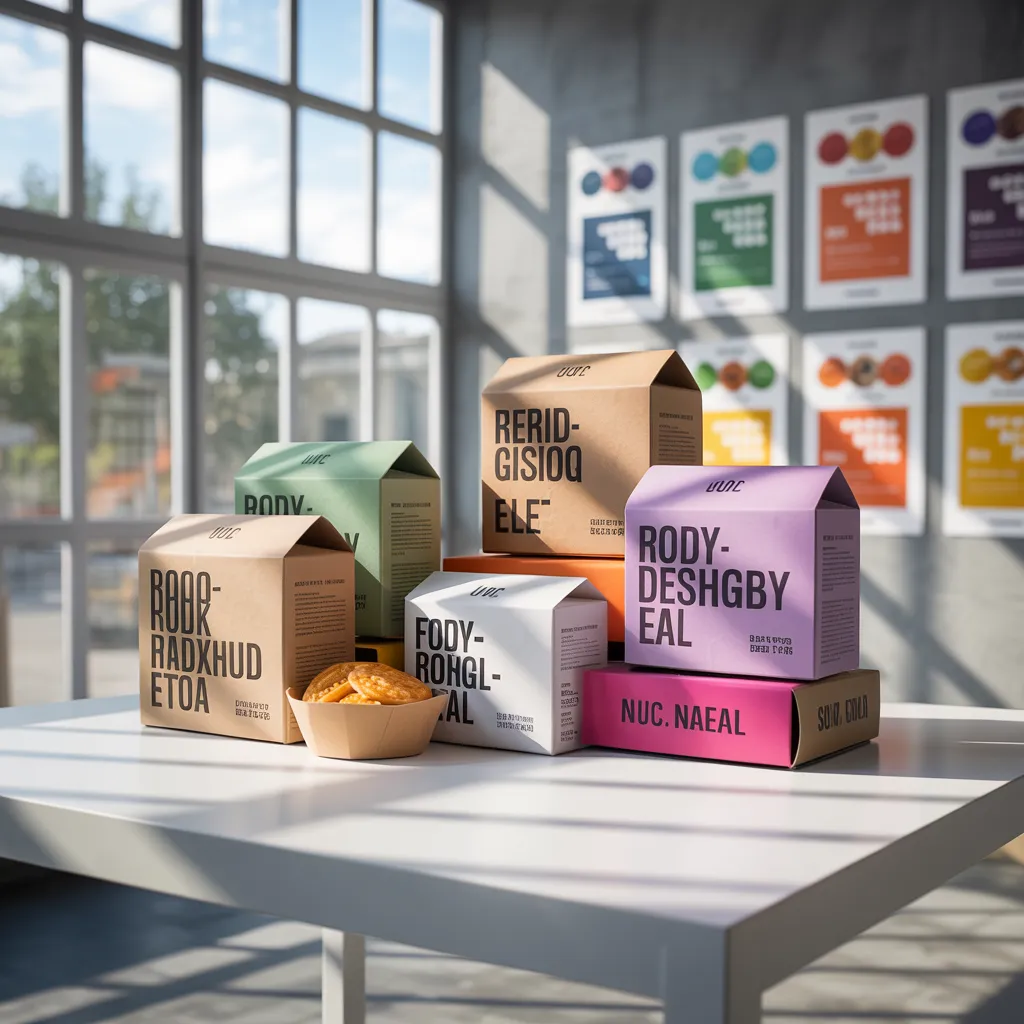
Food packaging plays an critical role in the success of retail businesses by affecting the way shoppers view products and decide what to purchase. Effective packaging serves as a silent salesperson, delivering vital product information while creating an appealing visual identity. It draws the eye amid busy retail displays and can set a product apart from rival brands.
Moreover, packaging gives consumers confidence in product quality and safety, which is fundamental in the food industry. Informative labeling, visually compelling designs, and environmentally responsible materials can strengthen brand loyalty and encourage repeat purchases. Moreover, strategic packaging can communicate the brand's principles and identity, fostering a more profound connection with the customer.
With the rise of e-commerce, packaging serves a crucial function in making sure items are delivered in perfect condition and copyright their overall presentation, impacting online reviews and buyer experience. At its core, thoughtful packaging is a significant component in boosting sales and building lasting retail growth.
Essential Materials for Food Packaging
Picking the right materials for food packaging is essential for upholding product integrity and securing safety. Numerous materials fulfill distinct purposes, impacting both preservation and the customer experience. Frequently utilized options include paperboard, which offers durability and recyclability, rendering it an eco-friendly choice. Plastic, particularly PET and HDPE, provides excellent barrier properties, shielding food from moisture and contamination. Glass containers are valued for their inert nature, preserving flavor and avoiding chemical interactions.
Metal-based packaging, such as metal cans, is ideal for maximizing shelf life, especially for perishable products. Furthermore, eco-friendly and compostable materials are growing in demand, reinforcing sustainability goals. Each packaging material's cost, availability, and compatibility with specific food types needs to be thoroughly assessed. In the end, selecting the right packaging material not only protects food quality but also reflects an organization's focus on sustainable practices and safety.
How to Design Packaging That Attracts Customers
Effective packaging design plays a pivotal role in capturing customer attention and increasing brand awareness. In order to reach this objective, companies need to concentrate on a number of essential factors. First, the choice of color is crucial; bold colors can stir emotions and attract attention, while muted shades can express refinement. Second, font choices should be clean and easy to read, ensuring that brand names and product information are easily readable at a glance.
Incorporating distinctive forms or designs can additionally distinguish a product on competitive store shelves, establishing a remarkable encounter for shoppers. Furthermore, graphics that communicate the product's standard or heritage can also draw in shoppers. Finally, weaving a storytelling component or brand message into the packaging fosters a deeper connection with the target audience, encouraging engagement and loyalty. By strategically uniting these features, organizations can craft packaging that simultaneously draws attention and solidifies their brand presence.
Sustainable Methods in Food Packaging: The Reasons They Matter
As consumers increasingly prioritize environmental responsibility, the importance of sustainable practices in food packaging cannot be emphasized enough. Retail enterprises are becoming more aware of the need to use environmentally friendly materials that cut down on waste and decrease their carbon footprint. Sustainable packaging options, such as biodegradable, compostable, or recyclable materials, not only appeal to environmentally conscious consumers but also enhance brand reputation.
Integrating sustainability strategies encourages transparency and accountability, enabling enterprises to match the beliefs of their intended audience. In addition, regulatory trends are transitioning to tighter green regulations, making it critical for businesses to integrate sustainable packaging solutions.
Adopting green strategies can lead to long-term economic advantages, as businesses may reduce waste expenses and enhance productivity. In the end, embracing green solutions for food packaging is not just a responsible obligation; it is a forward-thinking approach that positions businesses advantageously in an increasingly eco-aware marketplace.
Finding the Right Balance Between Cost and Quality in Packaging
In the food retail industry, balancing cost and quality in packaging is essential for success. Companies must thoroughly assess material choices to ensure long-lasting durability while also implementing economical design solutions that draw in buyers. This equilibrium can significantly influence both financial performance and brand recognition.
Analyzing Material Selections
Identifying the correct material for food packaging boxes necessitates a careful analysis of both cost and quality. Several options, such as biodegradable options, cardboard, and plastic, offer individual benefits and limitations. Paperboard is frequently cost-effective and recyclable, making it a common option among retailers. Nevertheless, its sturdiness may not always meet the requirements of particular perishables. Plastic provides superior moisture resistance and can prolong product longevity, but its effect on the environment creates challenges. Eco-friendly materials, while often costlier, complement green initiatives and attract eco-conscious consumers. Ultimately, the decision-making process should harmonize these elements, guaranteeing the selected material preserves the goods while also catering to brand values and budget constraints.
economical Design Solutions
Striking a harmony between expenses and standards in the design of food packaging necessitates thoughtful strategy and creative approaches. Retailers should explore using uniform packaging dimensions to reduce production costs while ensuring efficient use of materials. Utilizing simple yet eye-catching designs can improve brand awareness without incurring high expenses. Moreover, opting for versatile materials enables diverse packaging uses, minimizing waste and maximizing resource utilization. Collaborating with suppliers to explore bulk purchasing options can additionally reduce expenses. Lastly, incorporating sustainable practices, such as sustainable or decomposable materials, not only appeals to environmentally-conscious consumers but can also generate enduring cost reductions. By implementing these cost-effective strategies, companies can achieve packaging that meets quality expectations while remaining budget-friendly.
Assessing Packaging Choices: Essential Questions to Ask
How can a retail business effectively choose the right food packaging boxes? Evaluating packaging options requires careful consideration of several key questions. Initially, companies should determine if the material is well-suited for the particular type of food being enclosed. Can it ensure food safety requirements are met while keeping the contents fresh? Additionally, the design must be taken into account—does it reflect the brand's image while remaining practical for end users?
Cost is a further essential factor. Will the business be able to preserve quality while keeping costs in check? Furthermore, businesses should evaluate the packaging's sustainability. Can sustainable choices be found that lessen the impact on the environment?
In addition، the logistics of storage and transportation cannot be disregarded. Is the packaging designed to withstand check article storage and transportation without being damaged? By evaluating these factors, retail companies can make informed decisions that improve product attractiveness and ensure customer satisfaction.
Common Questions and Answers
What Are the Key Food Packaging Regulations You Should Be Aware Of?
Frequent food packaging requirements include adherence to safety standards, labeling guidelines, material safety, and environmental directives. Moreover, businesses are required to ensure that packaging prevents contamination and maintains product integrity over the course of its shelf life.
What Are the Ways to Test Packaging Durability for My Products?
To test packaging durability, one must carry out compression tests, drop tests, and moisture resistance assessments. Observing how packaging withstands various environmental conditions and handling will provide insights into its overall strength and reliability for product protection.
Can I Customize Packaging for Seasonal Promotions?
Yes, packaging is customizable for time-specific promotions. Companies regularly develop exclusive visuals, hues, and materials that match the promotional theme, enhancing appeal while clearly conveying the marketing message to engage customers during important occasions.
What Are the Best Practices for Packaging Food for Delivery?
Proper food packaging for delivery involves employing robust, insulated materials to retain temperature, guaranteeing leak-resistant designs, and adding clear labeling for ingredients and handling guidelines. Furthermore, sustainable options improve customer satisfaction and environmental accountability.
How Do I Handle Packaging Waste in My Business?
To address packaging waste efficiently, businesses should implement recycling programs, use eco-friendly materials, and invite customers to recycle their packaging. Periodic evaluations can also uncover opportunities to minimize waste, promoting a greener approach to business practices.